SPONSORED CONTENT — This is a paid advertisement by Kroolla Publishing, not independent editorial journalism.
Over 2,400 people have downloaded this guide — and most noticed a difference within the first week
★★★★★ 4.9/5 from 2,400+ readers
Why 'Calm Down' Makes Panic Worse
The most common advice for panic attacks is also the most counterproductive. Here's what's really happening — and what to do instead.
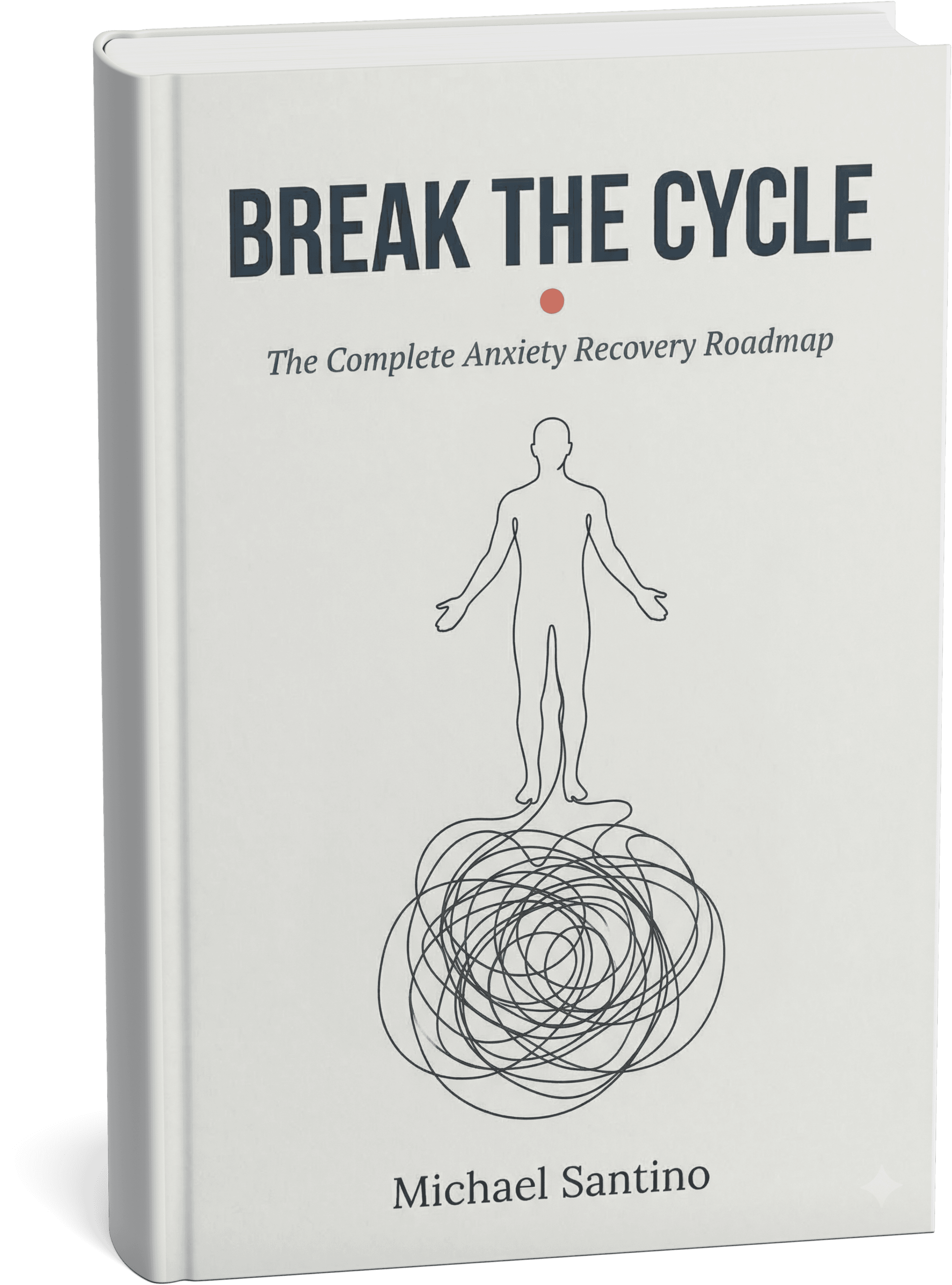
Learn the BREAK Method →Free guide · No medication · Instant access
The next time someone tells you to "just calm down" during a panic attack, know this: they're giving you the worst possible advice.
It's not their fault. It sounds logical. You're panicking, so the solution should be to… stop panicking. Except your brain doesn't work that way. And the harder you try to force calm, the louder the alarm bells ring.
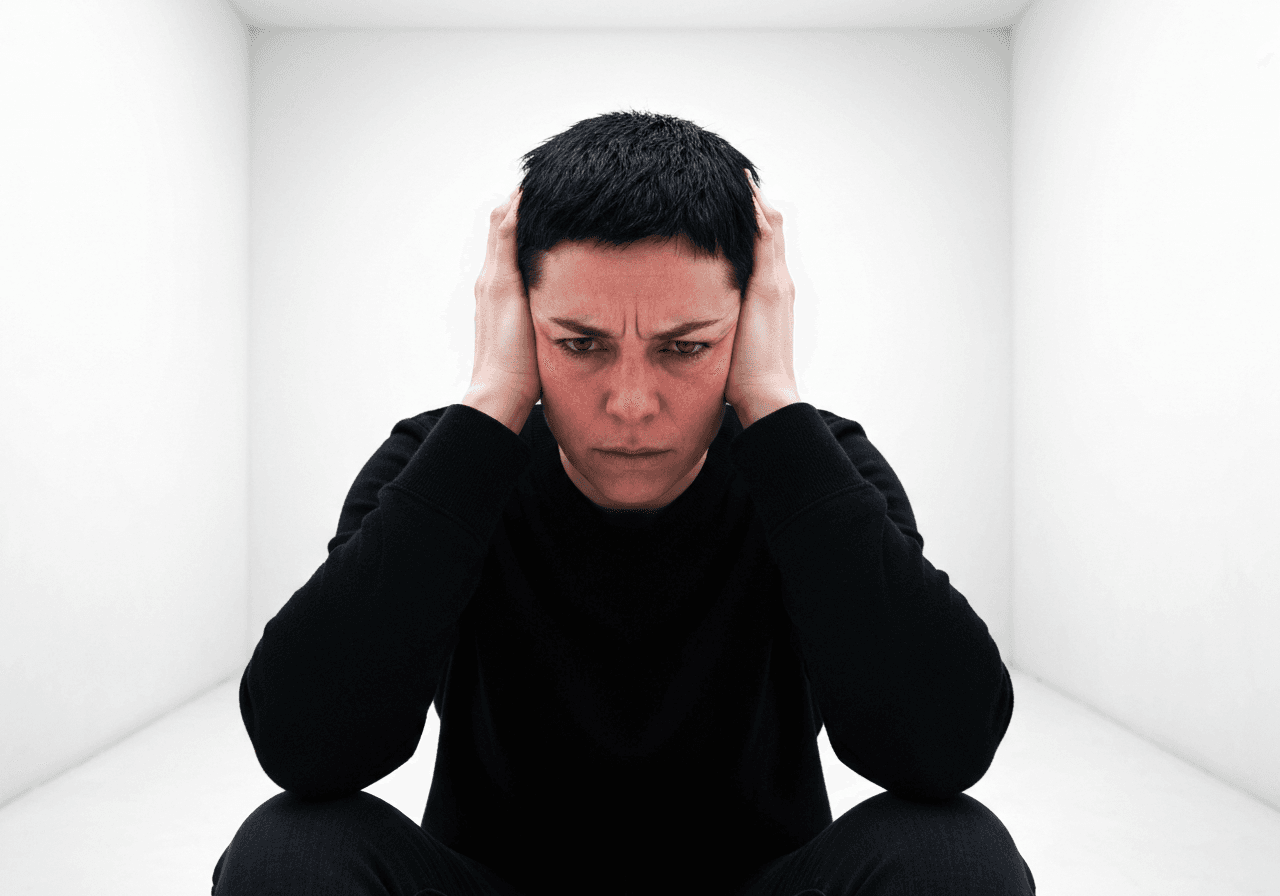
The "calm down" trap
When panic hits, your amygdala — the brain's threat detection center — has already pulled the emergency lever. Stress hormones are flooding your system. Your heart rate is up. Your breathing is shallow. Your muscles are tense.
Now, when you tell yourself "calm down," you're essentially asking your prefrontal cortex (the rational, thinking part of your brain) to override the amygdala. The problem? During a panic response, the amygdala has already hijacked communication. Your thinking brain is literally offline.
It's like trying to negotiate with a fire alarm while the building is on fire. The alarm doesn't care about your logic. It only responds to one thing: evidence that the threat is gone.
The moment I stopped fighting the panic and just let it rise and fall — that was the turning point. It sounds impossible but it actually works.

Ryan M.
Verified Reader · Results may vary

Why fighting panic makes it escalate
When you try to suppress panic and it doesn't work, your brain interprets that failure as additional evidence of danger. The internal logic goes something like this: "I'm trying to calm down and I can't — Something must be really wrong — I should panic more."
This is the anxiety amplification loop. Resistance creates a secondary wave of panic — panic about the panic. And that second wave is often worse than the first.
The more you fight panic, the more intense it becomes. Not because you're weak — because you're human.
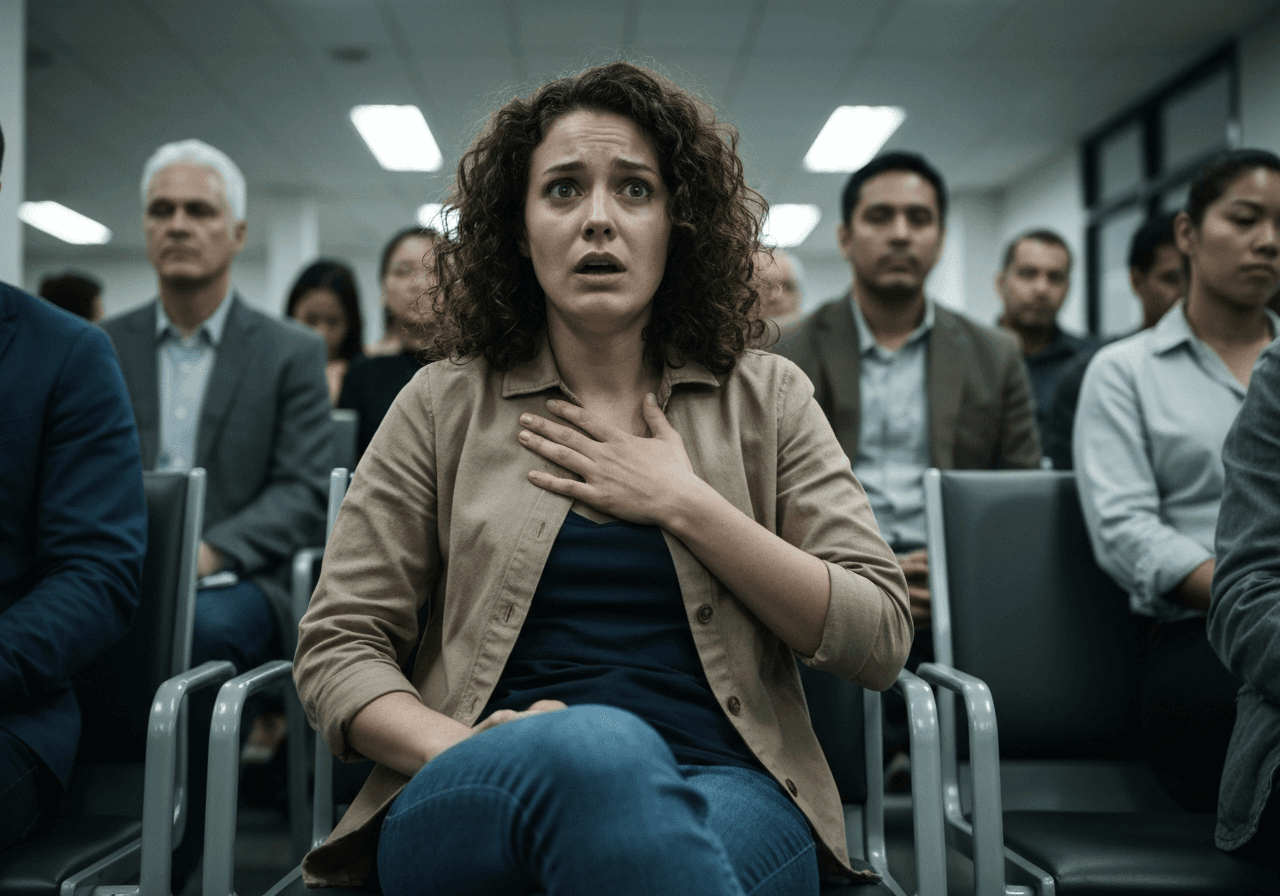
What actually happens during a panic attack
Understanding the mechanics takes away some of the fear. Your amygdala detects a perceived threat. It triggers the sympathetic nervous system. Adrenaline and cortisol flood your bloodstream. Your heart pumps faster. Your breathing speeds up. Your digestion shuts down.
Every single one of these symptoms is your body trying to save your life. It's not malfunctioning. It's doing exactly what it's designed to do — just at the wrong time.
A panic attack typically peaks within 10 minutes and subsides within 20–30 minutes. Your body physically cannot sustain the fight-or-flight response longer than that. The adrenaline runs out. The system resets.

The counterintuitive approach that works
Instead of fighting panic, the most effective approach is to let it pass through you without resistance. Here's how:
Acknowledge it: Instead of "I need to calm down," try "My body thinks there's danger. There isn't. This will pass." You're not arguing with the alarm — you're giving your brain accurate information.
Don't add a timeline: "I need this to stop NOW" adds urgency, which adds threat. Drop the deadline. Let the wave rise, peak, and fall.
Get curious, not combative: Notice what's happening without judging it. "My hands are tingling. My chest feels tight. My heart is fast." Observation mode activates the prefrontal cortex without trying to override the amygdala.
The people who recover fastest from panic attacks aren't the ones who found a magic technique to suppress them. They're the ones who learned to stop being afraid of the panic itself.

Why this feels so wrong at first
Every instinct tells you to fight. To resist. To make it stop. But panic is like quicksand — the more you struggle, the deeper you sink.
The shift — from "I must stop this" to "I can ride this out" — is the single most important turning point in anxiety recovery. And it's a skill, not a personality trait. Anyone can learn it.
The catch? You can't learn it from a single tip or a one-line mantra. It requires understanding the full cycle of how anxiety works, why it persists, and how to systematically rewire your response to it.
The bottom line
Calm down is bad advice. Not because it's unkind, but because it asks the wrong part of your brain to do a job it can't do when panic is active.
What works is working with your nervous system, not against it — learning to recognize the panic sequence, stop adding second-layer fear, and let the wave pass without feeding it. That's a skill. And skills can be learned.
Rated 4.9/5 by 2,400+ readers
People keep sharing their recovery
“I spent years trying to fight panic attacks. The moment I understood why fighting made them worse, everything changed.”

Marketing Manager, Colorado
*Results may vary
“The amygdala explanation finally made sense of why 'just breathe' never worked for me in the moment. This article was a lightbulb.”
Teacher, Oregon
*Results may vary
“Reading about the anxiety amplification loop was like someone finally describing what I'd been living with for 3 years.”

Freelancer, New York
*Results may vary
“The 'panic about the panic' concept alone was worth everything. I can't believe nobody explained it to me this way before.”

Accountant, California
*Results may vary
Start your recovery today
The complete 30-day system for breaking the anxiety loop — built on CBT, neuroscience, and behavioral science. No medication required.